

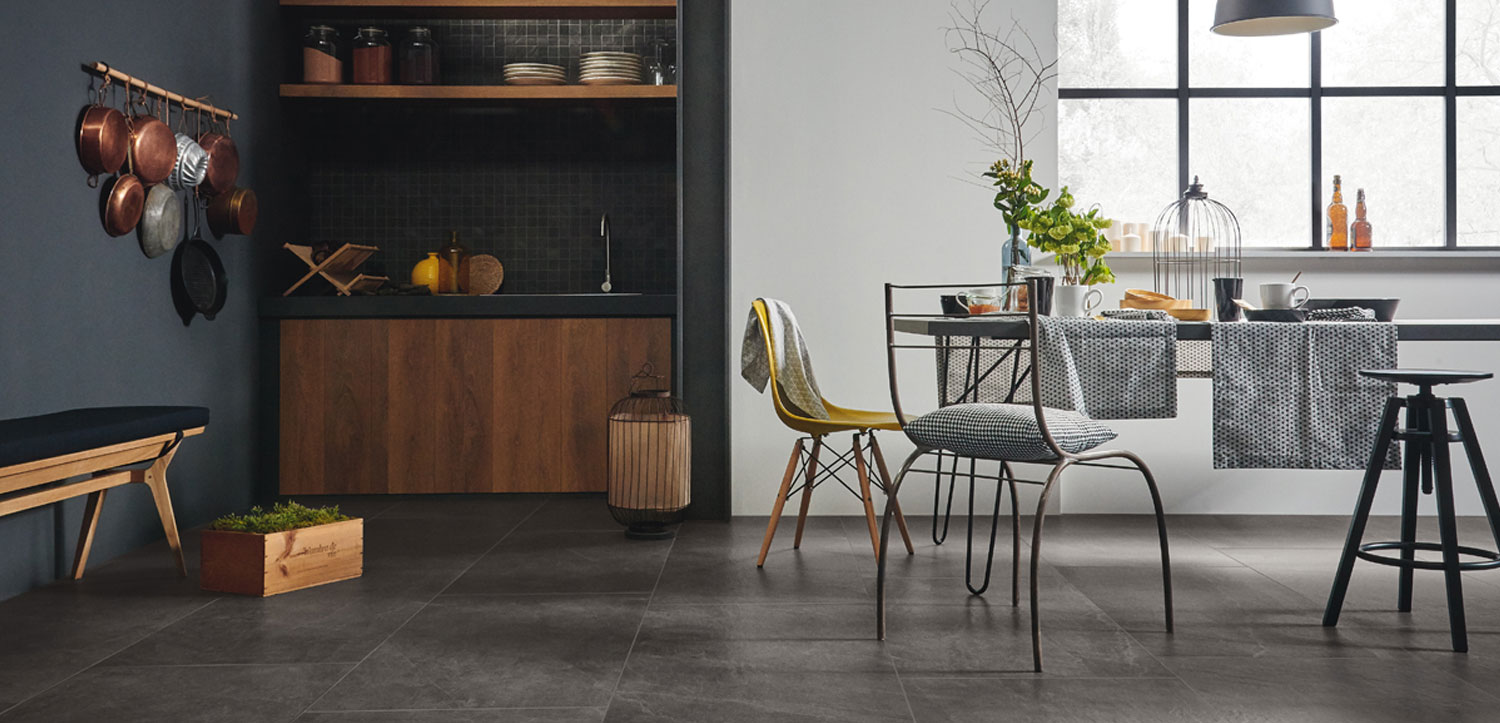
By Team: ceramics-international | Date: October 29, 2026
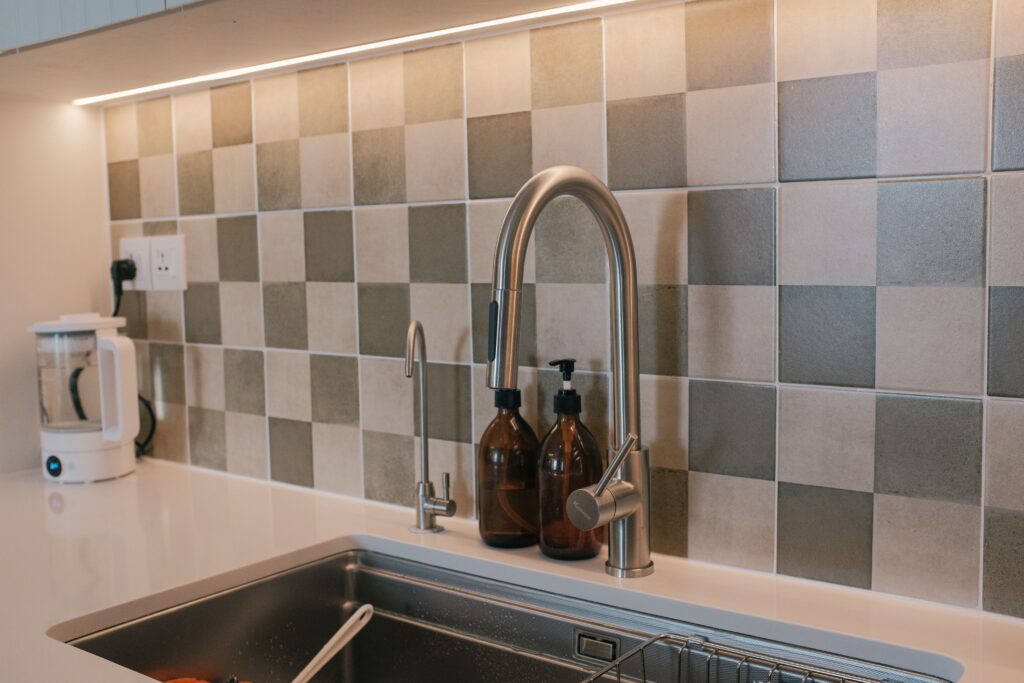
A kitchen splashback needs to do more than look good. Positioned behind benches, sinks and cooking areas, it should suit the way the kitchen is used while working with cabinetry, benchtops and the overall design.
For homeowners comparing kitchen splashback tiles in Perth, the right choice depends on material, finish, size, colour and maintenance. Founded in 1982, Ceramics International has more than four decades of experience helping customers compare tiles for different areas of the home.
What Makes a Good Kitchen Splashback Tile?
A good splashback balances practical performance with a style that suits the kitchen. Before focusing on colour or pattern, consider where the tile will be installed and how easy it will be to maintain.
Heat, Moisture and Stain Resistance
Kitchen wall tiles can be exposed to water, food splashes, oils and, around cooking areas, heat. A surface that can be cleaned without absorbing everyday residue is particularly useful in these areas. Suitability behind a cooktop should still be checked against the specific product, manufacturer requirements and installation conditions.
Cleaning and Long-Term Maintenance
Smooth ceramic and porcelain surfaces are generally straightforward to maintain. Warm water, a mild or pH-neutral cleaner and a soft cloth are suitable for routine care. Some natural stone may require sealing or specialised products, while grout and textured surfaces can also affect cleaning. Ceramics International’s tile cleaning guide explains how cleaning requirements differ between materials.
Balancing Function With Kitchen Design
Kitchen splashback tiles come in different colours, shapes, sizes, patterns and finishes, allowing them to blend with cabinetry and benchtops or become a feature.
The goal is to find a tile that works visually without overlooking how practical it will be in that part of the kitchen.
Best Splashback Tile Materials for Perth Kitchens
There is no single material that suits every kitchen. Appearance, maintenance and where the splashback will be installed should all influence the decision.
| Material | Key Characteristics | Maintenance |
| Ceramic | Wide choice of colours, shapes and finishes | Generally straightforward |
| Porcelain | Dense, durable and available in many formats | Generally low maintenance |
| Natural stone / marble | Natural variation and distinctive appearance | May require sealing and specialised care |
| Glass | Smooth and light-reflective | Easy to wipe, but marks may show |
Ceramic Splashback Tiles
Ceramic splashback tiles offer plenty of flexibility for kitchen walls, with neutral colours, decorative designs, different shapes and a range of finishes.
They can suit both understated and feature splashbacks. As with any tile, suitability for the intended installation area should be confirmed first.
Porcelain Splashback Tiles
Porcelain is another practical option for homeowners wanting durability with plenty of design choice.
Ceramics International’s porcelain range includes matt, gloss, polished and textured finishes in different sizes. Larger porcelain formats can also create a more continuous appearance with fewer grout lines.
Natural Stone and Marble Tiles
Natural stone and marble can bring natural variation and distinctive colour to a kitchen.
Some stone is more porous than porcelain or ceramic and may require sealing and suitable cleaning products. Maintenance should therefore be considered before using it in areas regularly exposed to moisture or cooking residue.
Glass Tiles and Alternative Splashback Materials
Glass can create a smooth, reflective surface and is available in different colours and decorative styles. When considering glass, compare its cleaning requirements, joins and installation requirements with tiled options rather than choosing on appearance alone.
Popular Kitchen Splashback Tile Styles
After choosing a material, consider how the tile shape, size and surface detail will work with the rest of the kitchen.
Subway Tiles for a Timeless Look
The simple rectangular shape of subway tiles works across both traditional and contemporary kitchens. They can be laid horizontally, vertically or in patterns, while different finishes can change the overall look. Once you have an idea of the style you want, explore Ceramics International’s subway tile range to compare colours and formats.
Large-Format Tiles for Fewer Grout Lines
Large-format splashback tiles create broader surfaces with fewer grout lines, which can give a kitchen a cleaner, more continuous appearance.
Ceramics International carries large-format porcelain options in different finishes. Wall dimensions, power points and required cuts should be considered before selecting a larger format.
Mosaic and Feature Tiles
Mosaic tiles can introduce colour, shape and finer detail when the splashback is intended to become a feature. Ceramics International’s mosaic tile range includes a variety of styles, including porcelain options suited to kitchen splashbacks. Smaller pieces create more grout lines, so grout colour and cleaning should also be considered.
Textured, Patterned and Handmade-Look Tiles
Textured, patterned and handmade-look tiles can add depth and variation through rippled, fluted, irregular or decorative surfaces. These styles can be used to create a stronger focal point or introduce subtle detail without relying on a bold colour.
Choosing the Right Colour and Pattern
Matching Tiles With Benchtops and Cabinetry
When choosing kitchen tile colours, compare the splashback with cabinetry, benchtops, flooring and surrounding finishes.
Similar tones can create a more seamless look, while contrast can define the splashback. Viewing samples together also makes it easier to compare undertones and finishes.
Light Colours for Brightness and Openness
White, cream, soft grey and other light tones can help create a brighter, more open appearance.
They can also provide a quieter backdrop for darker cabinetry or stronger benchtop patterns. Natural and artificial lighting will influence how the colour ultimately appears.
Bold Colours and Patterns as a Focal Point
Homeowners looking for stronger kitchen splashback ideas may prefer deep colours, decorative patterns, mosaics or handmade-look tiles. Before choosing a bold design, consider how much colour and pattern already exists elsewhere so the finishes complement rather than compete. If pattern is the direction you prefer, Ceramics International’s decorative tile range includes options designed for feature areas and kitchen splashbacks.
Choosing the Right Tile Finish
Gloss Tiles for Light Reflection
Gloss splashback tiles reflect more light than matt surfaces and can make colours appear brighter.
Their smooth finish is generally straightforward to wipe, although splashes, fingerprints or streaks may be more noticeable under direct lighting.
Matt Tiles for a Softer Appearance
Matt splashback tiles have less reflection, giving them a softer and more understated appearance.
They can work particularly well where cabinetry or benchtops already provide plenty of visual detail. Cleaning requirements will depend on the individual product and surface.
Textured Finishes and Cleaning Considerations
The deeper the surface texture, the more recesses there can be for cooking residue to settle. Rippled, fluted and irregular tiles can still work well as splashbacks, but consider how close they will sit to busy food-preparation or cooking areas and how easily the surface can be wiped.
Tile Size, Layout and Grout Choices
Small-Format vs Large-Format Splashback Tiles
Small-format tiles can be easier to work around narrow sections and detailed areas, while larger formats need more planning around cuts and fixed features. Compare the dimensions of the splashback with the tile size before deciding which format will use the space most effectively.
Horizontal, Vertical and Patterned Layouts
Rectangular tiles such as subway tiles can be installed horizontally, vertically or in patterns such as herringbone.
Layout affects more than style. Consider where cuts, joins and edges will fall before deciding on a more detailed pattern.
Matching or Contrasting Grout Colours
Your splashback grout colour can either blend with the tile or make the layout more prominent.
Similar colours create a more uniform result, while contrasting grout emphasises individual tiles and patterns. Grout also requires ongoing cleaning, so maintenance should form part of the decision.
Budget, Installation and Practical Considerations
When budgeting for kitchen splashback tiles, consider the cost of materials, preparation and installation. Tile size, layout and the number of cuts required can all influence the overall cost.
Before choosing your tiles, consider the position of power points, windows, corners and cabinetry, as these can affect installation complexity and the finished layout.
Find the Right Kitchen Splashback Tiles in Perth
The right splashback should suit your kitchen while remaining practical to clean and maintain. Comparing samples in person can make differences in colour, texture and finish easier to judge before making your final choice. Visit Ceramics International’s Osborne Park showroom or explore the kitchen splashback tile range before making your final choice.